Buyer-focused answer
Quick answer for buyers
Buyer decision
Has every bidder received the same controlled drawings, scope boundaries, commercial basis, and response requirements?
When to use this page
Use it before supplier award, shipment release, or internal procurement review when evidence must be clear and comparable.
What to verify
Drawing basis; Scope boundary; Commercial basis; Technical basis
Buyer problem this guide addresses
An incomplete RFQ creates quotations based on different quantities, revisions, standards, and exclusions, so the prices cannot be compared safely.
Buyer decision table and evidence checklist
| Review area | What the buyer should confirm |
|---|---|
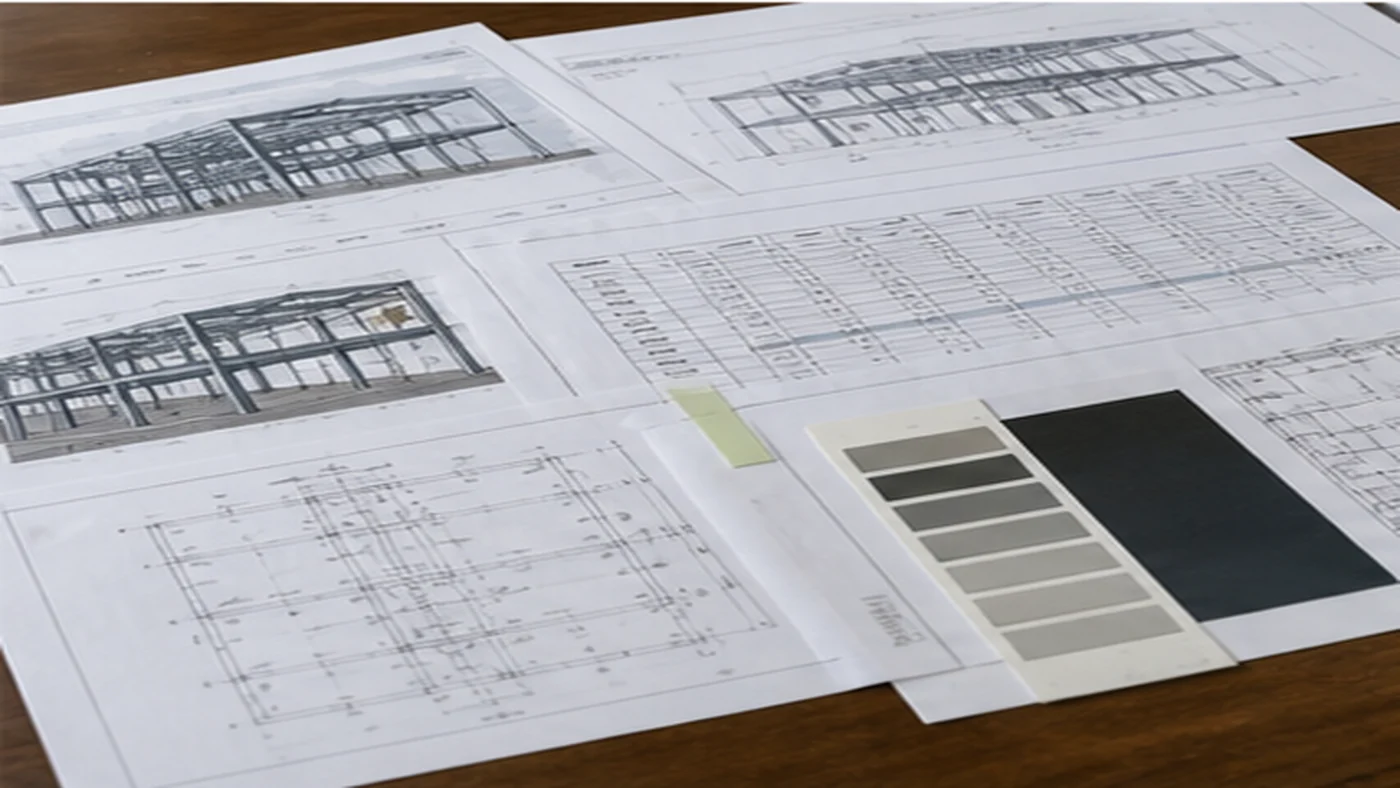
| Drawing basis | List drawings, revision numbers, issue dates, preliminary items, and pricing instructions for unclear details. |
| Scope boundary | Separate primary steel, secondary steel, cladding interface, anchor bolts, stairs, platforms, handrails, and erection aids. |
| Commercial basis | State Incoterms, destination, packing standard, delivery window, quotation currency, validity, and payment milestones. |
| Technical basis | State design code, material grade, bolt grade, welding standard, surface preparation, coating system, and galvanizing requirements. |
| Supplier response | Ask each bidder to return deviations, exclusions, provisional assumptions, document list, and delivery constraints in a comparable format. |
Why incomplete packages create procurement risk
If an RFQ package is unclear, suppliers make different assumptions and buyers may award the lowest visible price without understanding the missing scope. The safest RFQ package makes assumptions visible before the buyer compares bids.
How to use this page with the detailed checklists
Use this guide as the high-level RFQ package map, then use the quotation drawing guide, RFQ exclusion checklist, and scope freeze checklist for detailed review before sending the package to suppliers.
What to avoid
Do not ask suppliers to guess final connection details, coating systems, shipping marks, or packing responsibilities without a written assumption list. Hidden assumptions usually become variation claims after award.
Step-by-step practical guidance
- Confirm the buyer decision that depends on drawing basis before moving to supplier comparison or shipment release.
- Collect evidence for scope boundary and keep the source files linked to the relevant drawing, supplier reply, inspection report, or packing record.
- Review commercial basis with the project quality, procurement, and logistics teams before approval.
- Close open assumptions in technical basis before final award, shipment release, or payment approval.
- Record the final decision, responsible owner, and follow-up date for supplier response so the next project stage can verify it.
Practical example
Three fabricators quote different tonnage from the same project. The buyer issues one controlled drawing register and takeoff basis, then requests revised prices against the same exclusions list.
Red flags buyers should not ignore
- The supplier cannot provide verifiable evidence for drawing basis.
- The quotation, audit result, or release decision depends on undocumented assumptions about scope boundary.
- Records for commercial basis are generic, undated, or not linked to this project package.
- Open issues under technical basis are accepted verbally without owner, deadline, or closeout evidence.
- The buyer is asked to approve the package before supplier response is complete enough for the next project stage.
Related guides
Use the linked scope, drawing, material, coating, quality, and commercial checklists to make every RFQ assumption explicit before quotation.
Frequently asked questions
What should a steel structure RFQ package include?
It should include drawings, revision status, scope boundaries, technical specifications, coating requirements, delivery basis, packing requirements, document requirements, and a deviation or exclusion response format.
How can buyers compare quotations fairly?
Require all suppliers to price the same drawing revision, state the same delivery basis, and list assumptions or exclusions in the same response structure.
Can an RFQ be issued before drawings are final?
Yes, but provisional items must be labelled and suppliers should separate firm pricing from assumptions or allowances.
Use, limits, and corrections
This buyer-side guide is a procurement reference, not engineering design approval, inspection certification, legal advice, or a substitute for project-specific requirements. Check it against the contract, approved drawings, owner requirements, engineer instructions, and the current edition of every project-specified standard.
If a recommendation is unclear, outdated, or missing an evidence point, email [email protected] with the page URL and affected section. See the editorial and source review process.