Buyer-focused answer
Quick answer for buyers
A steel structure factory audit should verify material control, cutting and assembly flow, welding resources, coating capability, inspection records, active workload, packing space, and whether the supplier can support the quoted delivery schedule.
Main question
Steel structure factory audit checklist
When to use this page
Use it before supplier award, shipment release, or internal procurement review when evidence must be clear and comparable.
What to verify
Material control; Workshop flow; Welding control; Coating control
Buyer problem this guide addresses
A factory tour alone does not prove that the audited resources can deliver the specific steel package on the promised schedule.
Buyer decision table and evidence checklist
| Review area | What the buyer should confirm |
|---|---|
| Material control | Check storage, heat number traceability, incoming inspection, material identification, and separation of project materials. |
| Workshop flow | Review cutting, drilling, fit-up, welding, dimensional inspection, trial assembly, coating, and finished goods movement. |
| Welding control | Check WPS, welder qualification, consumable control, welding equipment, repair records, and inspection response. |
| Coating control | Review surface preparation, coating environment, DFT records, touch-up control, and weather protection before packing. |
| Packing readiness | Confirm marking, bundle planning, bolt box control, photo evidence, and container loading space before shipment. |
What a buyer should see during an audit
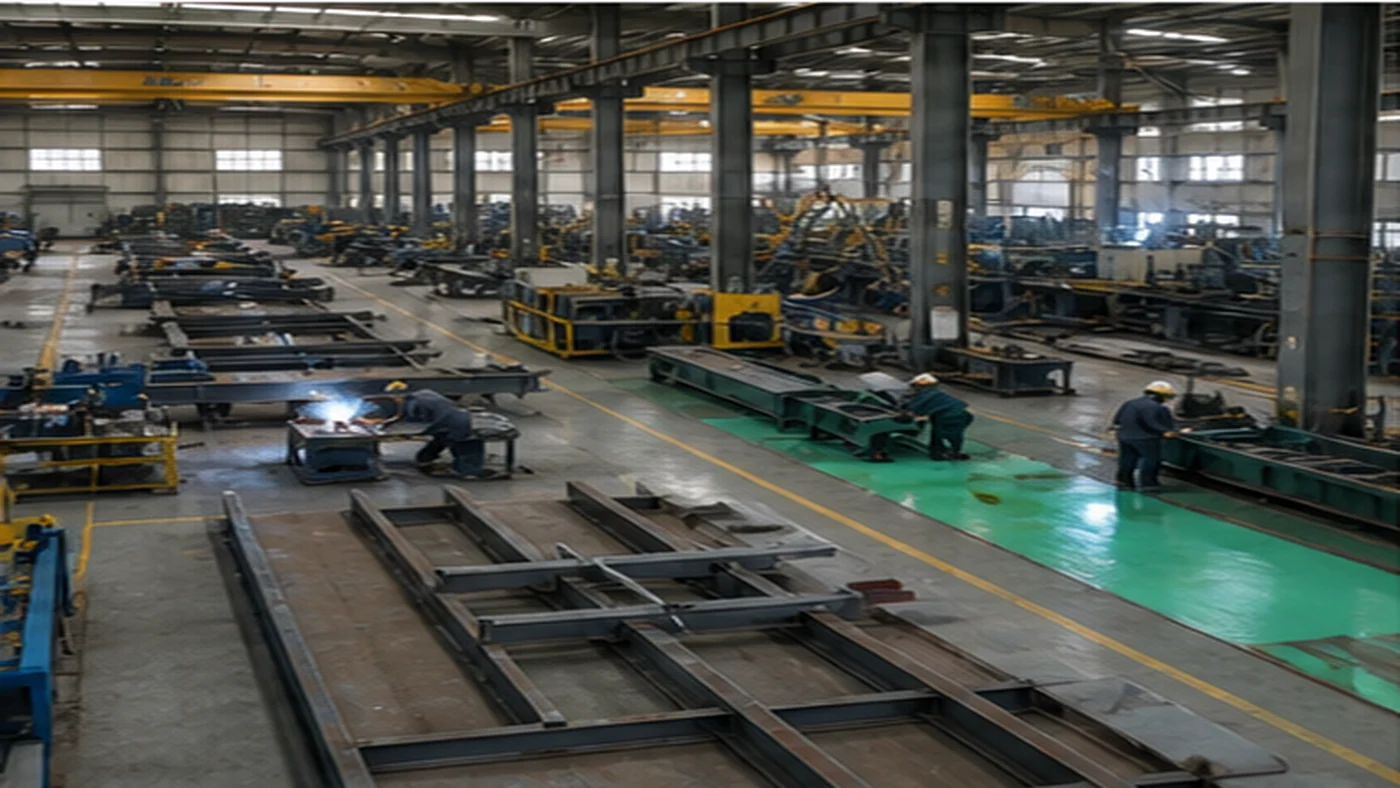
The audit should follow the real production path, not only the cleanest workshop corner. Buyers should see how material is received, processed, inspected, coated, packed, and released.
How to avoid superficial factory audits
A useful audit asks for records that match the physical workflow. If the supplier claims high output, ask for active order load, recent shipment records, equipment utilization, and inspection closeout examples.
Audit result and award decision
The audit result should feed the supplier shortlist decision. Do not award only because the factory looks large; connect the audit evidence to the exact package scope, schedule, document requirements, and packing risks.
Step-by-step practical guidance
- Confirm the buyer decision that depends on material control before moving to supplier comparison or shipment release.
- Collect evidence for workshop flow and keep the source files linked to the relevant drawing, supplier reply, inspection report, or packing record.
- Review welding control with the project quality, procurement, and logistics teams before approval.
- Close open assumptions in coating control before final award, shipment release, or payment approval.
- Record the final decision, responsible owner, and follow-up date for packing readiness so the next project stage can verify it.
Practical example
The audit finds adequate welding stations but one shared coating line already committed to another order. The buyer checks coating throughput and revises the production sequence before award.
Red flags buyers should not ignore
- The supplier cannot provide verifiable evidence for material control.
- The quotation, audit result, or release decision depends on undocumented assumptions about workshop flow.
- Records for welding control are generic, undated, or not linked to this project package.
- Open issues under coating control are accepted verbally without owner, deadline, or closeout evidence.
- The buyer is asked to approve the package before packing readiness is complete enough for the next project stage.
Related guides
Use the linked welding, coating, capacity, subcontracting, and evidence pages to turn audit observations into verifiable supplier findings.
Detailed factory audit criteria and scoring
What a factory audit should prove
A steel structure factory audit should answer more than "does the supplier have a workshop?" For EPC procurement, the audit should prove whether the supplier can produce the required tonnage, control quality during fabrication, document the work, pack components for export, and communicate issues before they become site delays.
The checklist below can be used for an on-site visit, video audit, or document-based prequalification.
1. Company and project experience
- Business license and registered company name.
- Years of steel structure fabrication experience.
- Recent projects with similar tonnage and building type.
- Export project experience and destination markets.
- Reference photos, delivery records, or project summaries.
Ask for examples that match your project. A supplier that only shows small sheds may not be suitable for a large industrial package.
2. Workshop and equipment check
Review whether the production equipment supports your member types and schedule.
| Area | What to check |
|---|---|
| Cutting | CNC cutting, saw cutting, plate processing, material identification. |
| Assembly | Fit-up area, jigs, member handling, dimension control. |
| Welding | Welding machines, qualified operators, weld procedure control. |
| Drilling | Hole position control, bolt connection accuracy, template process. |
| Surface treatment | Blasting, cleaning, coating environment, dry film thickness checks. |
| Packing | Component marking, bundle planning, loading area, export packing method. |
3. Capacity and schedule verification
A supplier may state a high annual capacity but still be unable to reserve enough production space for your package. Ask for the current production schedule and available capacity during your required window.
- Monthly output under normal production conditions.
- Peak monthly output with overtime or added shifts.
- Current backlog and committed orders.
- Material procurement lead time.
- Expected production sequence for your package.
4. Material traceability
Traceability matters when the owner, EPC contractor, or inspector asks for proof that the fabricated components match the specified material. The audit should review how the supplier receives, stores, marks, cuts, and records steel material.
- Incoming material certificate review.
- Material storage and separation by grade.
- Heat number or batch tracking method.
- Material transfer from raw steel to cut parts.
- Certificate submission format for the project file.
5. Welding quality control
Welding quality should be controlled before final inspection. Ask how the supplier manages weld procedures, welder qualification, in-process inspection, and repairs.
- Welding procedure specifications or internal welding process documents.
- Welder qualification records, if required by project standards.
- Visual inspection process.
- NDT requirements and subcontracted inspection process if applicable.
- Repair record and approval process.
6. Coating and corrosion protection
For export projects, coating damage can happen during handling, packing, sea freight, and site unloading. Confirm the coating process and the inspection records available.
- Surface preparation grade.
- Primer, intermediate coat, topcoat, or galvanizing requirements.
- Dry film thickness measurement method.
- Paint batch records and color confirmation.
- Touch-up and repair process before packing.
When coating is a critical package risk, review the steel structure coating line audit checklist before final supplier approval.
7. Documentation audit
Ask the supplier to show sample documents before the order. The sample does not need to be from your project, but it should prove that the supplier can prepare the required record type.
- Material certificate package.
- Inspection report template.
- Welding inspection record.
- Coating inspection record.
- Packing list and component marking list.
- Container loading photo sample.
8. Audit scoring method
For shortlisted suppliers, use a consistent scoring method.
| Score | Meaning | Action |
|---|---|---|
| 5 | Fully meets project requirement with clear evidence. | Accept. |
| 4 | Meets requirement with minor clarification needed. | Accept after confirmation. |
| 3 | Partially meets requirement but has manageable risk. | Request improvement plan. |
| 2 | Major gap or weak evidence. | Do not award without corrective action. |
| 1 | Cannot meet requirement. | Reject for this package. |
Frequently asked questions
What should be checked in a steel structure factory audit?
Check material traceability, workshop flow, welding resources, coating controls, inspection records, active workload, packing readiness, and export document discipline.
Can photos replace a factory audit?
Photos help, but they should be connected to dates, active projects, records, and specific workshop steps. For critical packages, photos alone are not enough.
When should the audit happen?
The audit should happen before award or before major fabrication starts, especially when capacity, quality, or delivery risk is high.
Editorial note
This guide is written for EPC steel structure buyers and procurement teams. It is a procurement reference, not engineering design approval, inspection certification, legal advice, or a substitute for project-specific specifications.
Corrections and contact
If a buyer finds an unclear recommendation, outdated term, or missing procurement evidence point on this page, send the correction note to [email protected]. Include the page URL, the affected section, and the project stage so the editorial note can be reviewed without changing the guide's procurement purpose.
How to use this checklist
Check this buyer-side checklist against the contract, approved drawings, owner requirements, engineer instructions, and the current edition of every project-specified standard. See the editorial and source review process.